

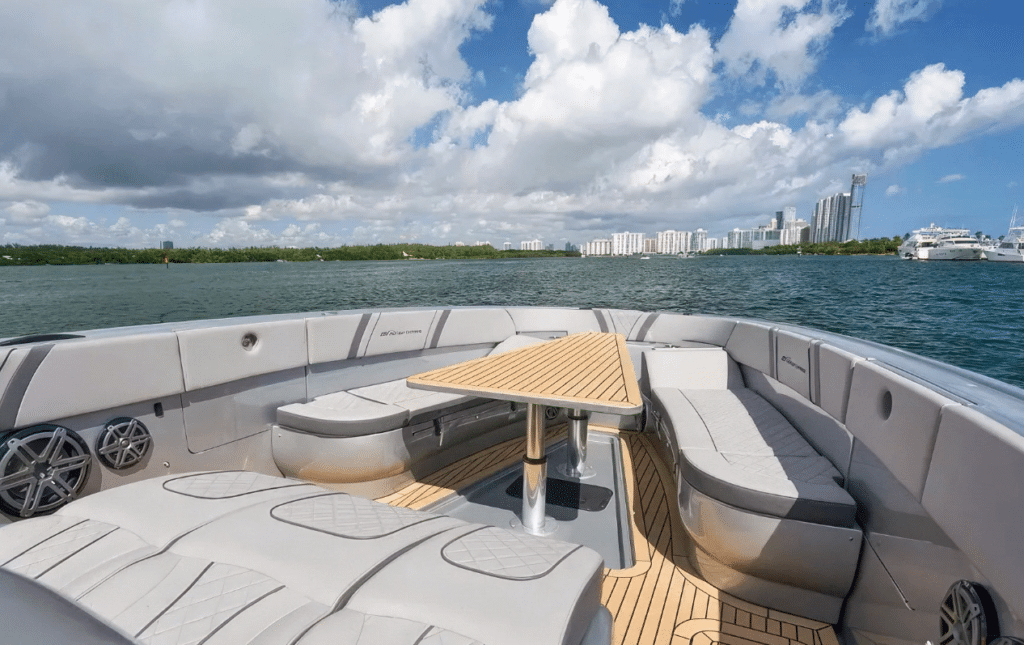
Upholstery boat seats are one of the most important elements of any boat interior. They affect not only how the space looks, but also how people feel during time on the water. Whether it is a short coastal ride or a full day offshore, seating comfort and reliability make a noticeable difference. If you are planning upgrades or changes, you can also reach out here to receive professional consultation and guidance.
Marine seating faces conditions that standard furniture never encounters. Constant sun exposure, moisture, salt, and movement place heavy demands on every material used. For this reason, upholstery boat seats require specialized fabrics, foams, and construction techniques that support long term use in marine environments.
Why Upholstery Boat Seats Are Different from Regular Seating
Boat seating must handle movement, vibration, and changing weather conditions. Unlike indoor furniture, marine upholstery is built to remain stable and supportive even when the boat is in motion.
One of the main differences lies in moisture management. Upholstery boat seats are designed to resist water penetration and dry quickly. In addition, they must maintain flexibility despite temperature changes throughout the day.
Key differences include:
- Strong resistance to UV radiation and fading
- Materials that prevent mold and mildew growth
- Reinforced stitching for constant motion
- Cushions that retain shape under repeated use
As a result, marine upholstery performs reliably where ordinary materials fail.
Materials Commonly Used in Upholstery Boat Seats
Choosing the right materials is essential for durability and comfort. Upholstery boat seats typically rely on marine grade vinyl or advanced synthetic fabrics developed specifically for watercraft use.
These materials are treated to resist cracking, staining, and discoloration. Beneath the surface, high quality foam plays a major role in comfort and drainage. Poor foam choices lead to water retention and rapid breakdown.
Most professional marine upholstery uses:
- Marine grade vinyl with UV inhibitors
- Quick drying or closed cell foam cores
- Moisture resistant backing layers
- Marine grade thread that resists rot
Additionally, modern options increasingly focus on breathable surfaces that reduce heat buildup during hot weather.
Comfort and Ergonomic Design Considerations
Comfort in upholstery boat seats is not about softness alone. Proper support reduces fatigue and improves safety, especially during longer trips or rougher water conditions.
Seat shape, cushion thickness, and foam density all contribute to how seating feels over time. Poorly designed seats may feel acceptable at first but quickly become uncomfortable.
Important comfort factors include:
- Correct seat height for natural posture
- Balanced firmness to absorb wave impact
- Smooth transitions between seating sections
- Textured surfaces to reduce slipping
Therefore, good upholstery design improves both usability and enjoyment.
Maintenance Practices That Extend Upholstery Life
Even the best upholstery boat seats need consistent care. Simple maintenance routines protect materials and prevent premature wear.
Salt residue, sunscreen, and dirt gradually damage surfaces if left untreated. Regular cleaning and drying help preserve both appearance and flexibility.
Recommended maintenance habits include:
- Rinsing seats with fresh water after use
- Wiping surfaces dry at the end of the day
- Using only marine safe cleaning products
- Applying UV protectants periodically
With proper care, upholstery maintains comfort and visual appeal season after season.
When to Repair or Replace Upholstery Boat Seats
Over time, marine upholstery naturally shows signs of aging. Recognizing these signs early helps prevent larger issues and improves onboard comfort.
In many cases, reupholstering existing seats is more practical than full replacement. This approach allows upgrades in materials and design while keeping the original seat structure.
Common indicators that work is needed include:
- Flattened or uneven cushioning
- Cracked or faded surface material
- Loose seams or exposed stitching
- Persistent moisture retention
Addressing these issues early helps maintain safety and seating performance.
Long Term Value of Quality Upholstery Boat Seats
Investing in quality upholstery boat seats delivers benefits beyond appearance. Durable materials reduce replacement costs, while thoughtful design enhances comfort for passengers and crew.
Well executed marine upholstery also contributes to the overall value of the boat. A clean, comfortable interior leaves a strong impression and supports long term ownership satisfaction.
By focusing on proper materials, professional construction, and regular care, upholstery becomes a reliable and lasting component of life on the water.
More articles on related topics can be found here.